Discover the beauty of tinted buildings in Meru, Kenya and how they are transforming the cityscape.
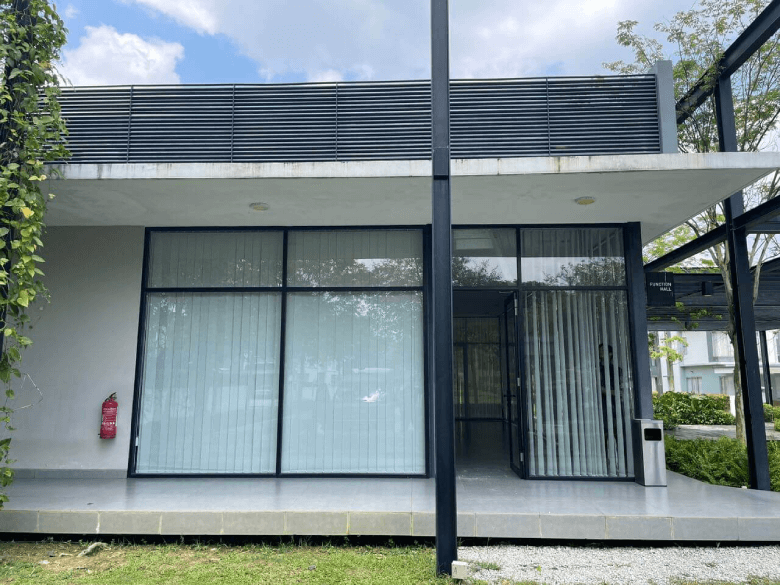
Sure! Here’s a comprehensive article based on your specifications, using the keyword Tinted Building Meru throughout and following the outlined structure.
Tinted Building Meru
In the world of architecture and construction, the integration of modern technologies has led to the evolution of building designs that prioritize both functionality and aesthetics. One such innovation is the use of Tinted Building Meru, a trend that is becoming increasingly popular among homeowners and builders alike. This article explores the benefits, applications, and installation processes associated with Tinted Building Meru, highlighting why it is an essential feature for contemporary buildings.
Understanding Tinted Building Meru
Tinted Building Meru refers to the application of tinted films on the windows of buildings in the Meru region. This technique not only enhances the overall appearance of structures but also provides numerous practical advantages that contribute to energy efficiency, comfort, and privacy.
What is Window Tinting?
Window tinting involves applying a thin layer of film to the glass surfaces of windows. This film can come in various shades and types, allowing building owners to customize their spaces according to specific needs and preferences. The primary purpose of window tinting is to reduce heat and glare while providing additional privacy and protection from harmful UV rays.
The Benefits of Tinted Building Meru
- Energy Efficiency: One of the most significant advantages of Tinted Building Meru is its ability to improve energy efficiency. By blocking a substantial amount of solar heat, tinted windows help maintain a comfortable indoor temperature, reducing the need for excessive air conditioning during hot months. This can lead to significant cost savings on energy bills.
- UV Protection: Tinted windows provide an effective barrier against harmful ultraviolet (UV) rays, which can cause skin damage and fade furniture and flooring. By choosing Tinted Building Meru, property owners can protect their interiors and inhabitants from these harmful effects.
- Enhanced Privacy: Privacy is a primary concern for many building owners, especially in urban areas. Tinted windows can obscure visibility from outside while still allowing natural light to enter. This feature is particularly valuable for offices, residential buildings, and commercial establishments.
- Glare Reduction: Excessive sunlight can create glare on screens and other surfaces, making it uncomfortable for occupants. Tinted Building Meru effectively reduces glare, enhancing comfort and productivity for those working or living inside.
- Aesthetic Appeal: The aesthetic value of tinted windows should not be overlooked. Tinted Building Meru enhances the overall appearance of a building, giving it a modern, sophisticated look that can attract potential tenants and buyers.
Types of Tinted Building Meru Films
When considering Tinted Building Meru, it is essential to understand the different types of films available and their specific benefits:
1. Solar Control Films
Solar control films are designed to reduce the amount of heat that enters a building. These films reflect solar energy, keeping indoor temperatures lower and enhancing overall comfort. They are ideal for buildings with large windows that receive direct sunlight.
2. Safety and Security Films
Safety films add an extra layer of protection to windows, holding shattered glass in place in the event of an impact. This feature can deter potential intruders and enhance the safety of building occupants.
3. Decorative Films
For those looking to add a unique touch to their buildings, decorative films offer various designs and patterns. These films can create a distinctive look while also providing the benefits of tinted windows.
4. Frosted Window Films
Frosted films provide privacy without completely blocking natural light. They are commonly used in bathrooms and conference rooms, where privacy is essential.
5. Low-E Films
Low-emissivity (Low-E) films are designed to reflect infrared light while allowing visible light to pass through. These films can help maintain comfortable indoor temperatures while improving energy efficiency.
Applications of Tinted Building Meru
The versatility of Tinted Building Meru means it can be applied in various settings, benefiting different types of buildings:
Residential Applications
In residential settings, Tinted Building Meru offers a range of advantages:
- Increased Comfort: By reducing heat and glare, tinted windows create a more enjoyable living environment.
- Protection from UV Rays: Tinted films help protect both inhabitants and furnishings from UV damage.
- Visual Enhancements: The aesthetic improvements can significantly increase a home’s market value.
Commercial Applications
For commercial buildings, Tinted Building Meru provides unique benefits:
- Enhanced Productivity: Reducing glare and improving comfort can enhance employee productivity.
- Energy Savings: Commercial buildings can save on energy costs by using tinted windows to regulate temperature.
- Professional Appearance: Tinted windows contribute to a professional look, which can be appealing to clients and customers.
Institutional Applications
Educational and healthcare institutions can also benefit from Tinted Building Meru:
- Improved Learning Environments: Tinted windows reduce glare in classrooms, providing a better learning environment.
- Patient Comfort: In healthcare settings, tinted windows can enhance patient comfort by controlling light and temperature.
Choosing the Right Tinted Building Meru Solution
When selecting the right Tinted Building Meru solution, several factors must be considered:
1. Purpose of Installation
Understanding the primary goals for window tinting is crucial. Whether focusing on energy savings, privacy, or aesthetics, knowing your objectives will guide your decision.
2. Local Climate Considerations
The climate in Meru plays a significant role in determining the type of window film to choose. Buildings in sunny areas may benefit more from solar control films, while those in cooler climates might prioritize insulation properties.
3. Personal Style Preferences
The appearance of the building is important for its overall look. Consider the style and color of the film and how it complements the building’s architecture.
4. Consultation with Professionals
Engaging with a professional installer can provide valuable insights and recommendations tailored to specific needs and preferences.
Installation Process for Tinted Building Meru
The installation of Tinted Building Meru should be conducted by professionals to ensure high-quality results. Here’s an overview of the typical installation process:
1. Initial Consultation
The process begins with a consultation where the installer assesses the windows and discusses needs and preferences.
2. Film Selection
Based on the consultation, the appropriate type of film is selected. Factors include the level of tint, functionality, and aesthetic preferences.
3. Surface Preparation
The area where the film will be applied must be thoroughly cleaned to remove any dust or debris that could hinder adhesion.
4. Professional Installation
The installer carefully applies the window film, ensuring a bubble-free finish. This step is crucial for the film’s longevity and effectiveness.
5. Final Inspection
After installation, a final inspection is conducted to ensure that the film meets quality standards and is free of defects.
Maintenance of Tinted Building Meru
To ensure the longevity and effectiveness of Tinted Building Meru, proper maintenance is essential. Here are some tips:
1. Regular Cleaning
Use a soft cloth and a gentle cleaner specifically designed for window films. Avoid abrasive materials that could scratch the film’s surface.
2. Inspect for Damage
Regularly check for signs of damage, such as peeling or bubbling. Addressing any issues promptly can prevent further deterioration.
3. Avoid Harsh Chemicals
Some cleaning products can damage window film. Always opt for pH-balanced and non-abrasive cleaning solutions to maintain the integrity of the film.
4. Schedule Professional Maintenance
Consider scheduling regular maintenance with a professional service to ensure that window films remain in excellent condition.
Cost Considerations for Tinted Building Meru
The cost of installing Tinted Building Meru can vary based on several factors:
1. Type of Window Film
Different types of window films come at various price points. For instance, safety films might be more expensive due to their thicker material and added protective features.
2. Size and Thickness
The size of the windows and the thickness of the film will influence the total cost. Larger and thicker films generally incur higher costs.
3. Installation Fees
Professional installation will add to the overall expense, but it ensures that the job is done correctly and safely.
4. Long-Term Savings
Although the initial investment may be higher, the energy savings and increased comfort provided by window films can lead to long-term financial benefits.
Conclusion: The Value of Tinted Building Meru
In conclusion, Tinted Building Meru is a valuable addition to any building, providing a range of benefits that enhance comfort, energy efficiency, and aesthetic appeal. Understanding the various types of films available and their applications can help property owners make informed decisions that enhance their spaces.
For those considering Tinted Building Meru, a variety of resources are available for further exploration. You can visit Frosted Glass Window, Tinted House, Tinted Building, Tinted Glass Film, Window Building, Tinted Glass Solar, Frosted Pattern, Frosted Decor, Sunice Tint, Sunice Tint, and for internal resources, visit Tinted Office.
Investing in Tinted Building Meru not only enhances the comfort and aesthetics of your building but also reflects a commitment to quality and sustainability in modern architecture.
Feel free to modify any section or let me know if you need additional content or adjustments!
#tintedbuildingmeru #tintedbuilding #meru